Career Pathways: Where Learning Comes to Life
Summer 2026 Issue
![]() Career Pathways: Where Learning Comes to Life
Career Pathways: Where Learning Comes to Life
The Betsy and Jesse Fink Career Development Program continues to open doors for ESF students, giving them the chance to apply their learning in meaningful, hands-on settings. These experiences help students discover their strengths, clarify their goals, and understand the kind of impact they want to make in the world.
The most recent cohort of fellows brought curiosity, compassion, and a willingness to dive into complex challenges. All qualities that reflect the very best of ESF.
None of this would be possible without the support of The Betsy and Jesse Fink Family Foundation, Douglas L. and Susan M. Cotton Fellowship, Robert M. Sand ’50 Internship, and Clara and Wilton B. Griffiths ’51 Endowed Fund. Philanthropy expands what the program can offer and ensures that more students can pursue transformative, real-world experiences. Thanks to our generous donors, ESF students have the space to explore, experiment, and step confidently toward their future paths.
Nearly 130 students have participated in experiential opportunities through this program since 2013, engaging in student-designed internships, independent exploration projects, and professional conference activities. The examples highlighted here showcase just a few members of the 2025 cohort and reflect only a small portion of the meaningful opportunities made possible through this program.
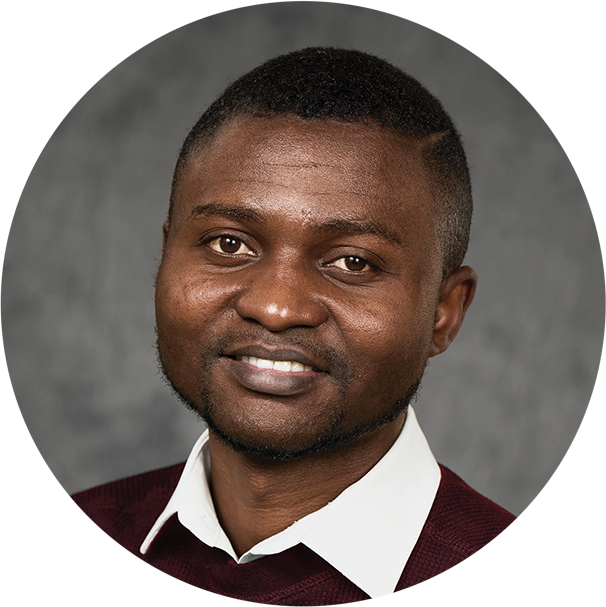
Joshua Ogunyemi
Ph.D. in Environmental Science:
Ecosystems, Land, Air & Water
Class of 2027
Joshua served as a GIS intern with The Wetland Trust, where they produced comprehensive land use maps for the organization’s properties and built interactive web maps that now allow staff and partners to view and understand these sites at a glance. Joshua’s work created essential tools that support wetland management, strengthen funding proposals, and enhance how the Trust communicates its impact.
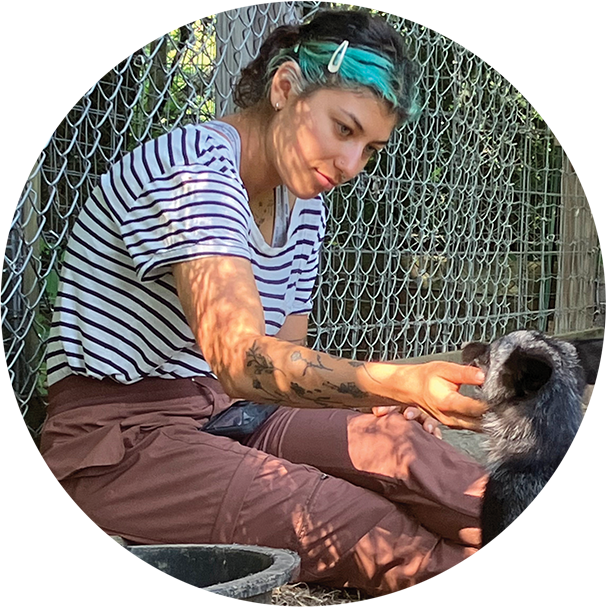
Kaylee Lupowitz
B.S. in Conservation Biology
Class of 2027
Kaylee completed an internship at the Wolf Mountain Nature Center in Smyrna, New York, where they supported daily care and enrichment for wolves, foxes, and coyotes, assisted with new enclosure construction, and led educational tours for visitors. Kaylee also created an illustrated, audio-enhanced bird species sign that now contributes to the Center’s educational outreach.
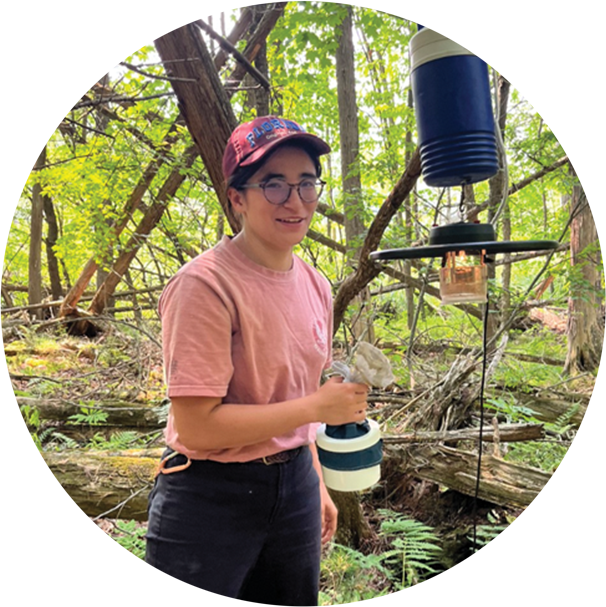
Melia Kanaovicz
B.S. IN ENVIRONMENTAL BIOLOGY
CLASS OF 2026
Melia supported mosquito-borne
disease surveillance with the St.
Lawrence County Health Department,
collecting and processing samples
for viruses such as Eastern Equine
Encephalitis and West Nile Virus.
Melia’s work included maintaining trap
sites, sorting specimens for testing,
and participating in public outreach,
contributing to regional efforts to
monitor and reduce disease risk.
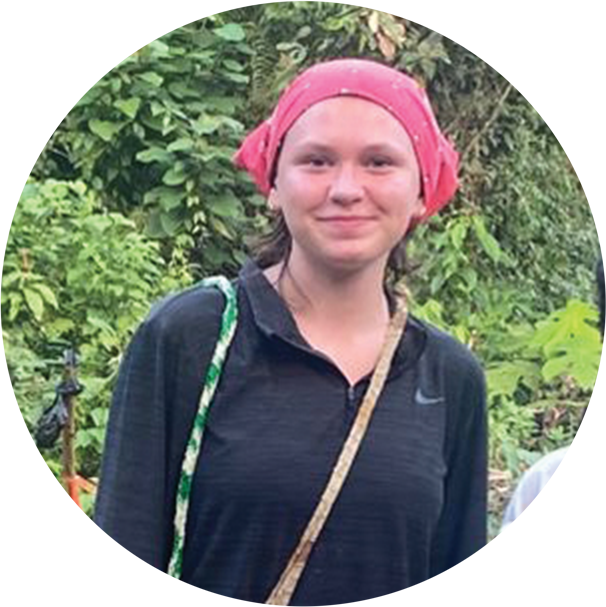
Ryan Hesch
B.S. in Biochemistry
Class of 2026
Ryan participated in an immersive experience with the Amazon Learning Organization in Tena, Ecuador, living and working alongside an Indigenous farming family. Ryan assisted with daily land management practices, experimented with composting and fertilization methods on a plot within the family’s Chakra, and created a community pamphlet on composting techniques. Ryan also visited neighboring Chakras to compare agricultural practices, gaining deeper insight into sustainable farming in the region.
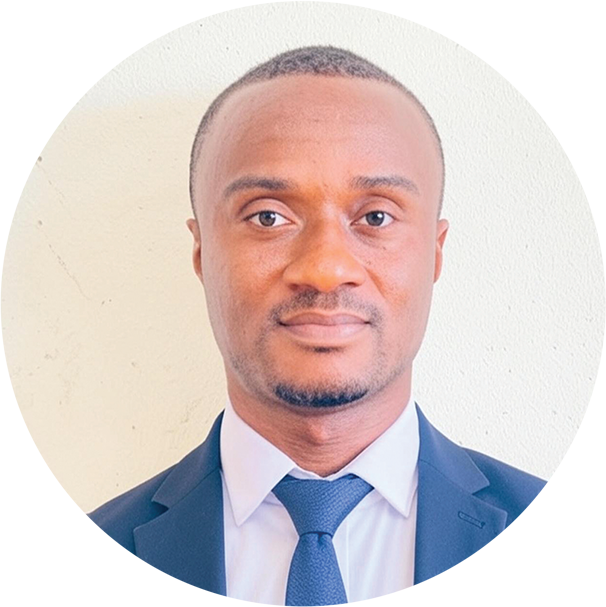
Samuel Asamoah
Ph.D. in Sustainable Energy
Class of 2028
Samuel explored the LEED certification process in depth, studying the v4.1 framework, analyzing certified project case studies, and preparing for the LEED Green Associate exam. This work strengthened his foundation in green building principles and advanced his career goals in sustainable energy and resource management.