Past Issues
Past Issues
Search results for “Research”

Operation Restoration
Two years after emerging as a focal point for the College’s future, the ESF Restoration Science Center (RSC) has established itself as a global force for efforts to improve the health and sustainability of ecosystems around the world.

Mighty American Chestnut Poised for Return to America’s Forests
ESF scientists prepare for nation’s first regulatory review of a transgenic wild tree.

Elm Tree Project Takes Root with Research Gift
Dr. Allison Oakes, ESF’s Orentreich Research Fellow, is searching for the most efficient ways to grow and develop transgenic American elms.


Lafayette Road Experiment Station Gets New Look
The Lafayette Road Experiment Station (LRES) is getting a makeover. The once heavily wooded 44-acre plot is at the root of a mighty crusade: restore the American chestnut.

Dr. Limburg Honored
Limburg is perhaps best known for her work on “otolithology,” the study of bones in the inner ears of fish that hold a chemical record of that fish’s journey like the rings of a tree, She likens the otoliths to a logbook.
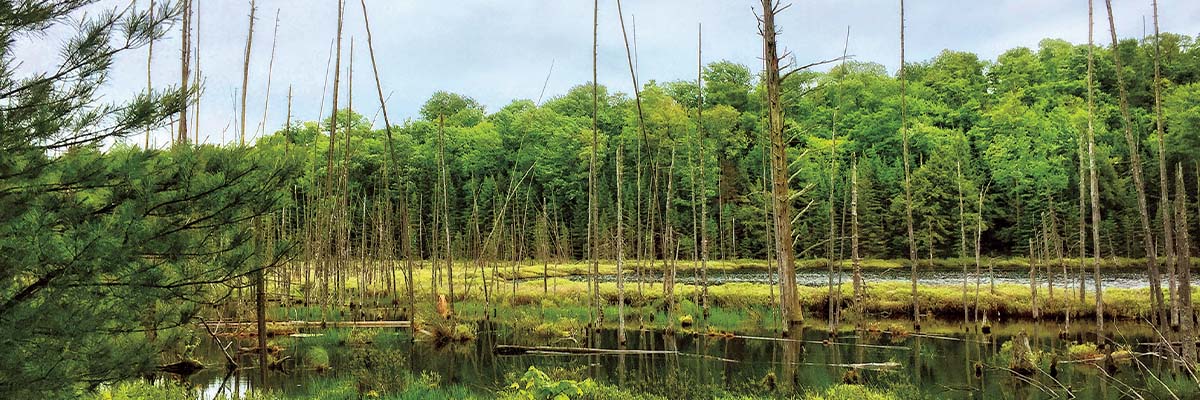
Students Follow in Famed Prof’s Footsteps As They Blaze a New Trail to Lost Pond
The creation of a nature trail in the forest near Cranberry Lake has given ESF students from the main campus and The Ranger School a chance to retrace the footsteps of a famed ESF professor and help reinvigorate one of his pet projects.
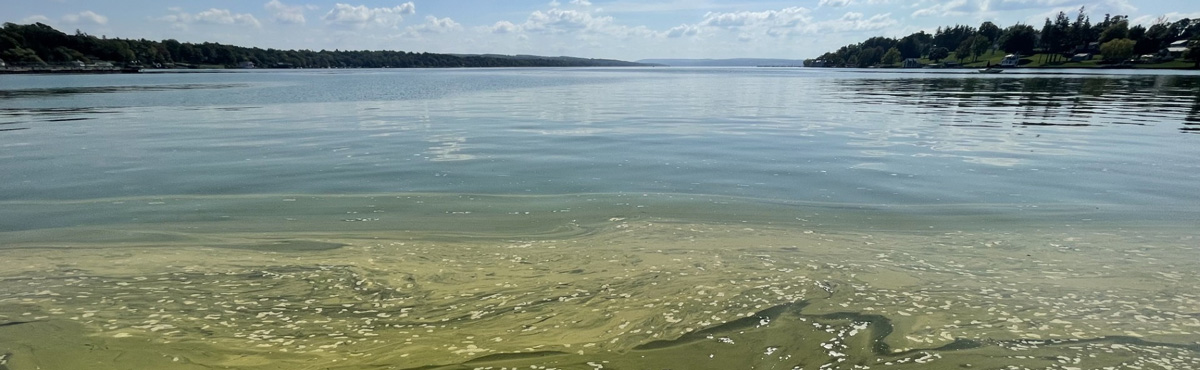
Generations of Care, Years of Discovery: Skaneateles Lake As a Living Lab
A $2 million gift from philanthropists Sam and Carol Nappi, will support expanded research into the cause of harmful algal blooms (HABs) that threaten human health, with an ESF research team using Skaneateles Lake and its watershed as a living laboratory.
ESF Monitors Waters of Sodus Bay
Toxic blue-green algal blooms in the northeastern United States typically form during the hot days of August. By keeping an eye on the water chemistry throughout the summer, researchers might be able to predict when a bloom might be coming.
Dr. Liu Named Exemplary Researcher
Dr. Shijie Liu received dual recognition for his work as a researcher this spring when he was honored with both the SUNY Chancellor’s Award for Excellence in Scholarship and Creative Activities and was named ESF’s Exemplary Researcher for 2020-21.
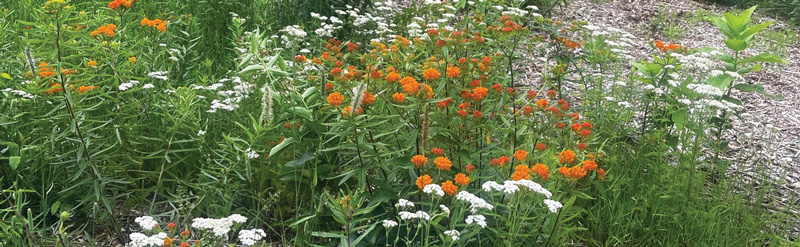
Get a Lode of This: Orchids Are Thriving at Former Iron Mine
ESF graduate student Grete Bader, who completed her master’s thesis on the site, said the plants are growing on a wetland that developed naturally on iron mine “tailings,” the waste left over from the process of separating the valuable part of an ore from the rock that has no economic value.

36 Cold, Windy Hours = 256 Species
A group of ESF students dispersed across 345 acres of forested hills and wetlands in April, cataloging every species they could find to help plan the future of the Skaneateles Conservation Area (SCA).
Dr. Jacqueline Frair named the College's Exemplary Researcher for 2019-20
Frair is an associate professor in ESF’s Department of Environmental and Forest Biology (EFB).

'Transformational’ Gift from Templeton Foundation Supports Chestnut Restoration
ESF has received its largest-ever charitable gift, $3.2 million, to support one of the College’s most impactful research projects — the restoration of the American chestnut tree.
Dr. Chris Whipps Honored for Teaching, Research
Dr. Chris Whipps, professor in ESF’s Department of Environmental Biology (EB) and director of the SUNY Center for Applied Microbiology was named the College’s Exemplary Researcher for 2021-22, and received the 2021 ESF College Foundation Award for Exceptional Achievement in Teaching.

Climate Change Redistributes Global Water Resources
Analysis of more than 40 years of water samples archived at the Hubbard Brook Experimental Forest in New Hampshire tells a vivid tale of how the sources of precipitation have changed.

ESF Professor Helps ID New Giant Tortoise Species
An ESF scientist is part of a research team that has discovered there are two species of giant tortoises – not just one, as had been long believed – living on the island of Santa Cruz in the center of the Galapagos Archipelago.
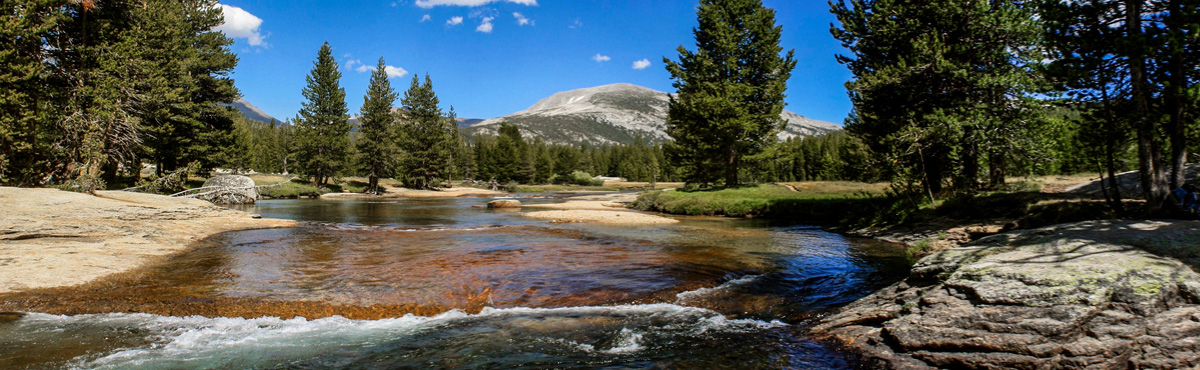
Endangered Fish Lend Their Ear (stones) As Researchers Aim To Save Species
The study is part of an emerging body of knowledge that lays critical groundwork for the conservation and management of these threatened species.

50% Decline in Mallard Population Sparks Research and Funding Efforts
The U.S. population of eastern mallards — dabbling ducks with distinctive green heads — has plunged inexplicably by 50 percent in the last 20 years, prompting ESF to launch research into the birds’ productivity, changes in their habitat and their genetic diversity.
Scientists Link Decline of Baltic Cod to Hypoxia — and Climate Change
Limburg is the joint author of a paper that appeared in December in the journal Biology Letters, published by the Royal Society, that adds new depth to scientists’ ability to decode the history of a fish’s life by analyzing the chemical content of otoliths, or earstones, that form part of a fish’s hearing and balance system.

There’s Still Hope For Snow Leopards
In Siberia, ESF and international partners try to save endangered cats

New Study Rings Alarm for Sugar Maple in Adirondacks
The iconic sugar maple, one of the most economically and ecologically important trees in the eastern United States and Canada, shows signs of being in a significant decline, according to research results published today (Oct. 21, 2015) in the open-access journal “Ecosphere.”
Biodiversity ‘Hotspots’ Imperiled along California’s Streams
A study of woodland ecosystems that provide habitat for rare and endangered species along streams and rivers throughout California reveals that some of these ecologically important areas are inadvertently benefitting from water that humans are diverting for their own needs.